
 Image 1 of 2
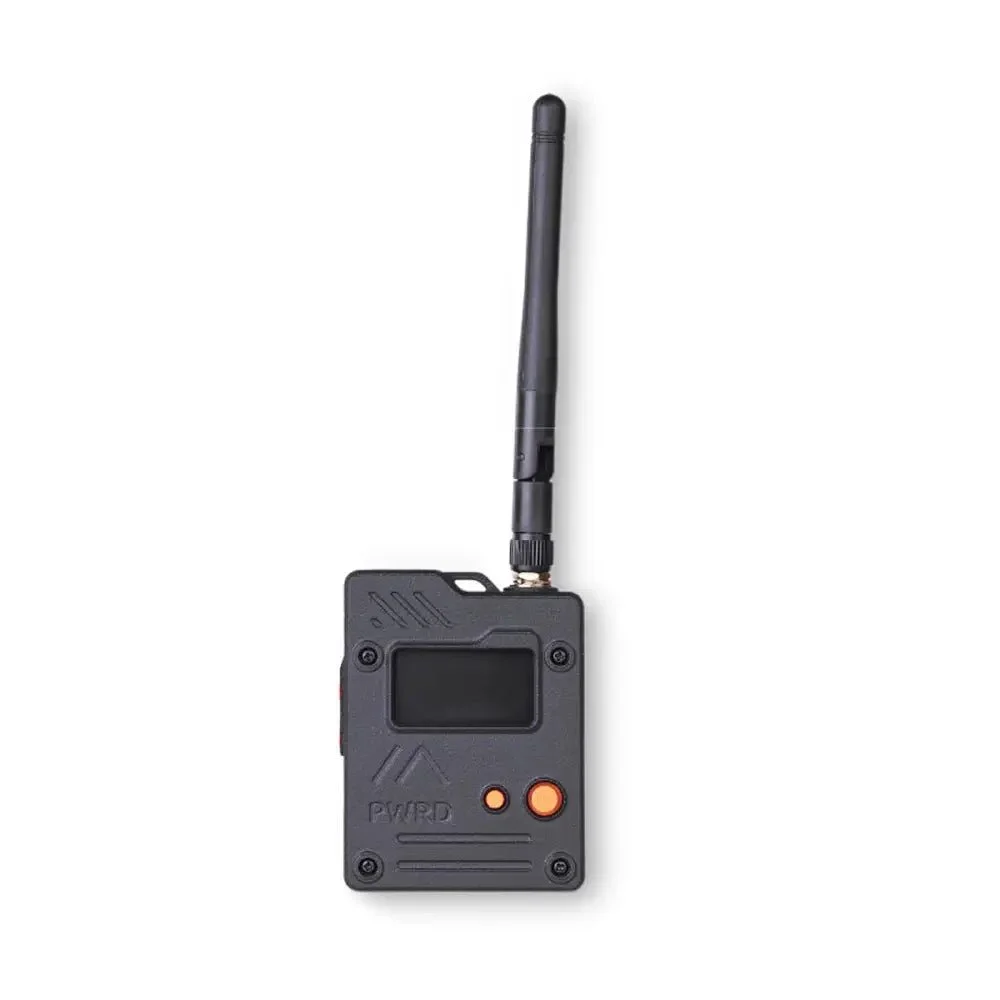 Image 2 of 2
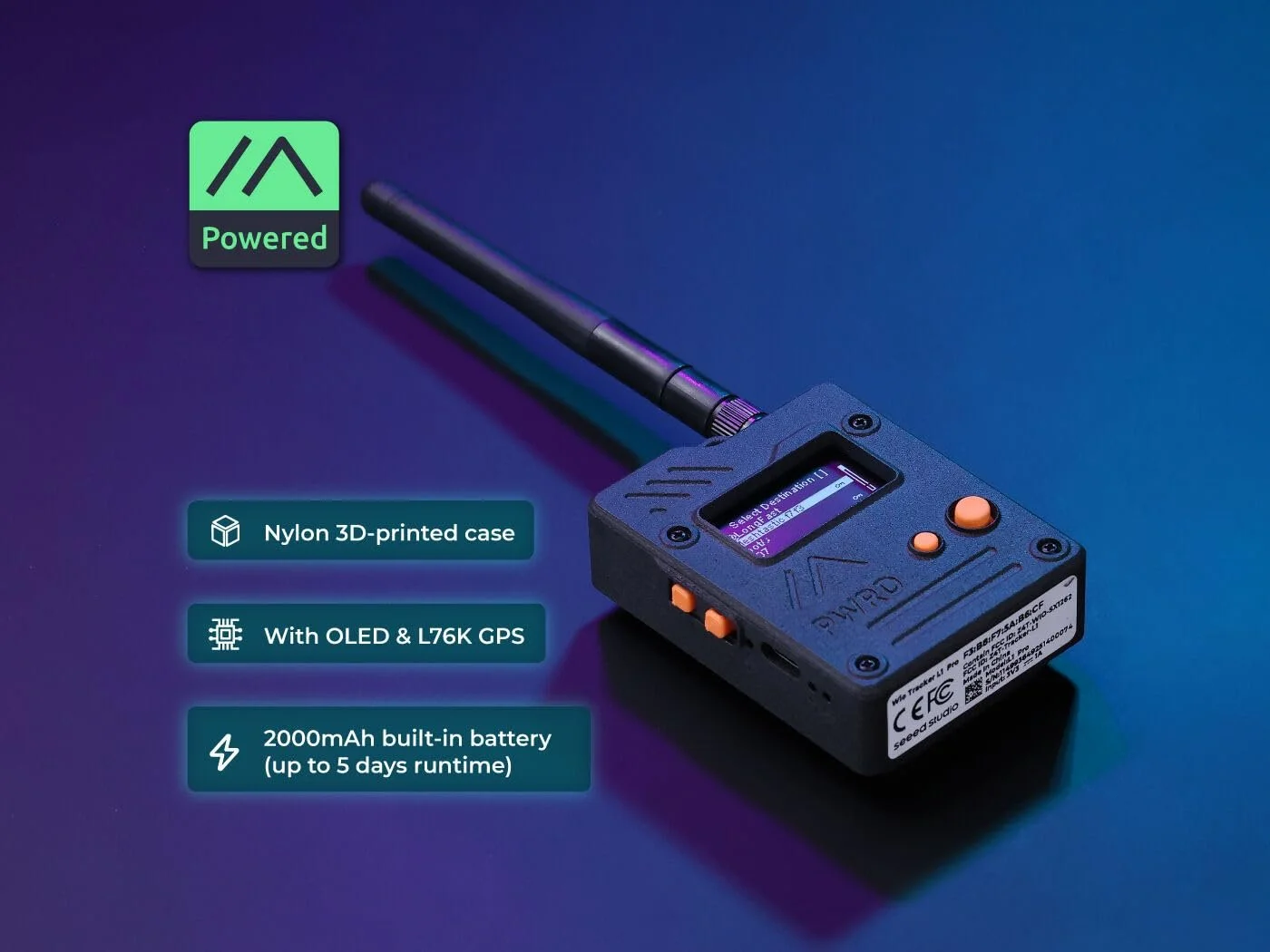
A ready-to-deploy, low-power Meshtastic node for secure off-grid coordination, outdoor communications and resilient local mesh networking. The Wio Tracker L1 Pro combines long-range LoRa connectivity with on-device navigation and status information, allowing teams and individuals to exchange messages and location data without relying on mobile coverage.
Key features:
• LoRa radio supporting 862–930 MHz regional configurations
• Nordic nRF52840 processor with Bluetooth 5.0
• L76K multi-constellation GNSS/GPS module
• 1.3-inch 128 × 64 OLED display
• Integrated controls for standalone operation
• 2,000 mAh rechargeable battery, rated for up to five days' runtime depending on configuration and usage
• USB-C power and charging
• Durable enclosed design with external antenna support
• Meshtastic compatible and ready for straightforward setup
Suitable for field teams, outdoor operations, preparedness, travel groups and users who need a resilient communications option beyond conventional cellular infrastructure. Regional radio settings and local regulations must be observed.
A ready-to-deploy, low-power Meshtastic node for secure off-grid coordination, outdoor communications and resilient local mesh networking. The Wio Tracker L1 Pro combines long-range LoRa connectivity with on-device navigation and status information, allowing teams and individuals to exchange messages and location data without relying on mobile coverage.
Key features:
• LoRa radio supporting 862–930 MHz regional configurations
• Nordic nRF52840 processor with Bluetooth 5.0
• L76K multi-constellation GNSS/GPS module
• 1.3-inch 128 × 64 OLED display
• Integrated controls for standalone operation
• 2,000 mAh rechargeable battery, rated for up to five days' runtime depending on configuration and usage
• USB-C power and charging
• Durable enclosed design with external antenna support
• Meshtastic compatible and ready for straightforward setup
Suitable for field teams, outdoor operations, preparedness, travel groups and users who need a resilient communications option beyond conventional cellular infrastructure. Regional radio settings and local regulations must be observed.